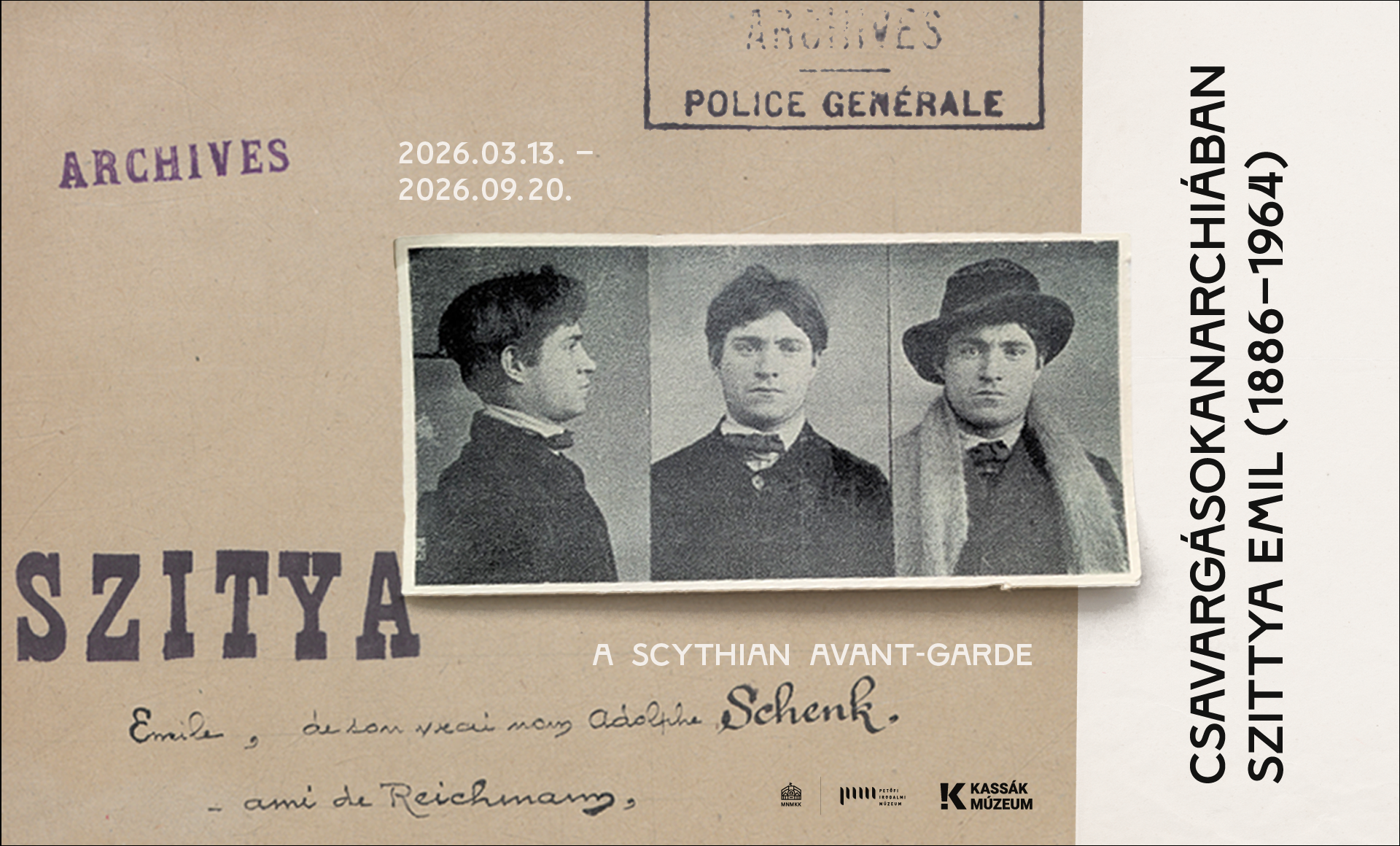
A SCYTHIAN AVANT-GARDE. EMIL SZITTYA (1886–1964)
Vernissage: 13 March 2026, Friday, 6 PM
Opening speech by Balázs Mohácsi, poet and literary historian
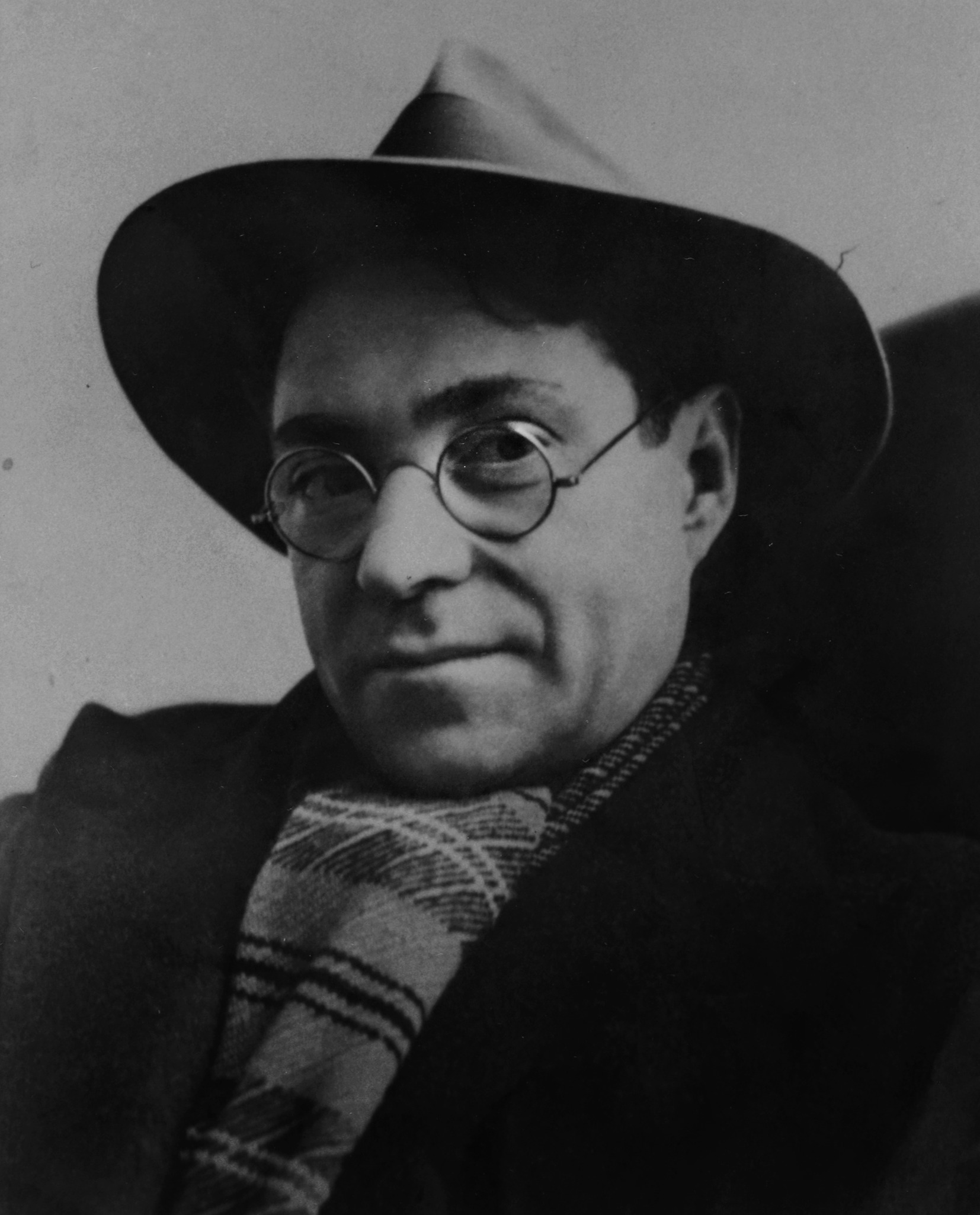
Oddball, gingerbread pug, curly-haired desert camel, the satyr or the holy seraph, the knight enshrouded in fog, the pariah dog – the writer, editor, painter, and art critic Emil Szittya (1886–1964) was called many names by his fellow artists and literary historians. “I am said to have been acquainted with the most famous criminals, vagrants, anarchists, socialists, politicians, and artists, and to have practised all these professions myself. Besides, I am said to have been a spy and a political impostor. (…) What I know for sure is that I am the most international person in the world,” he responded.
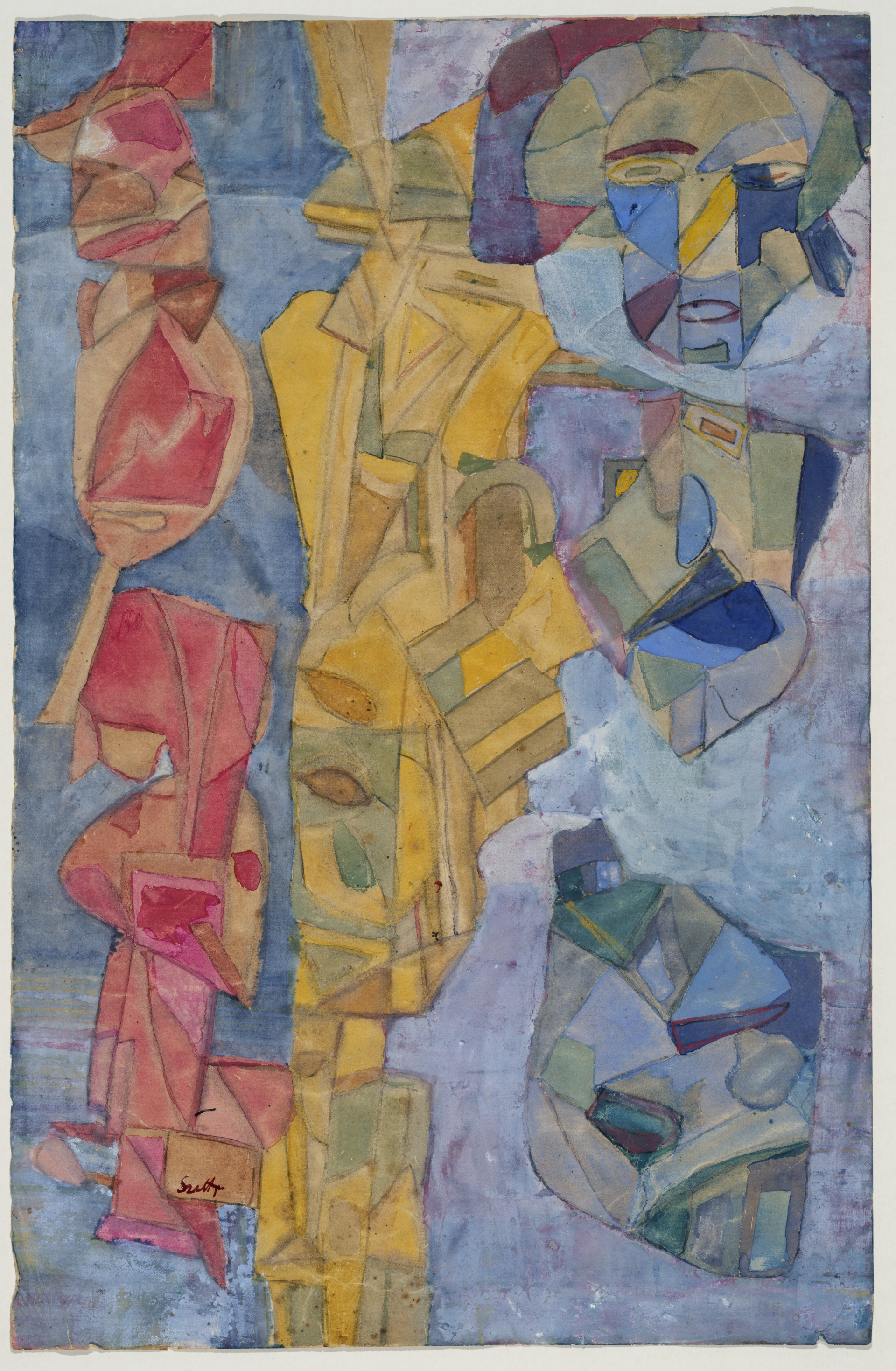
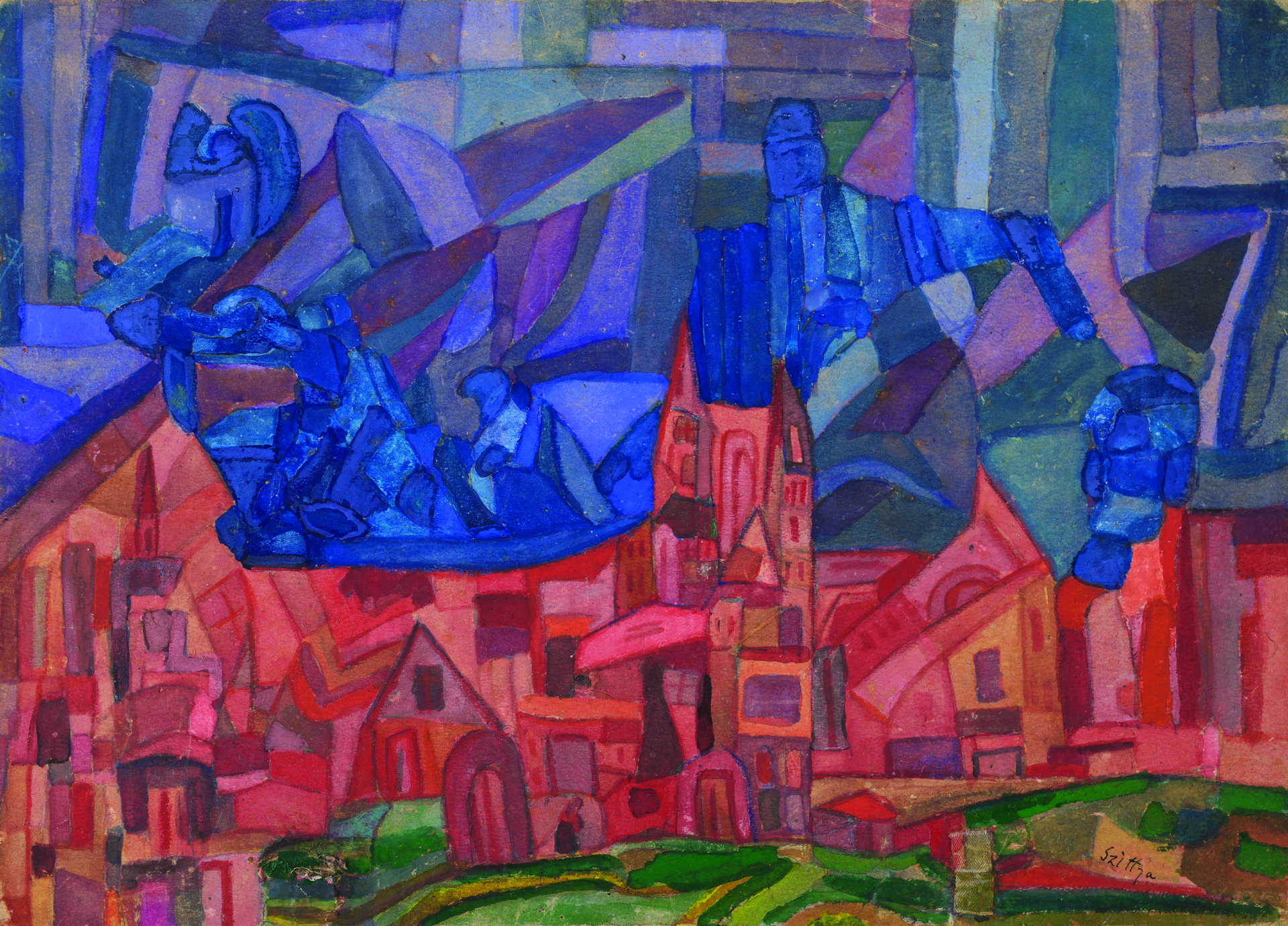
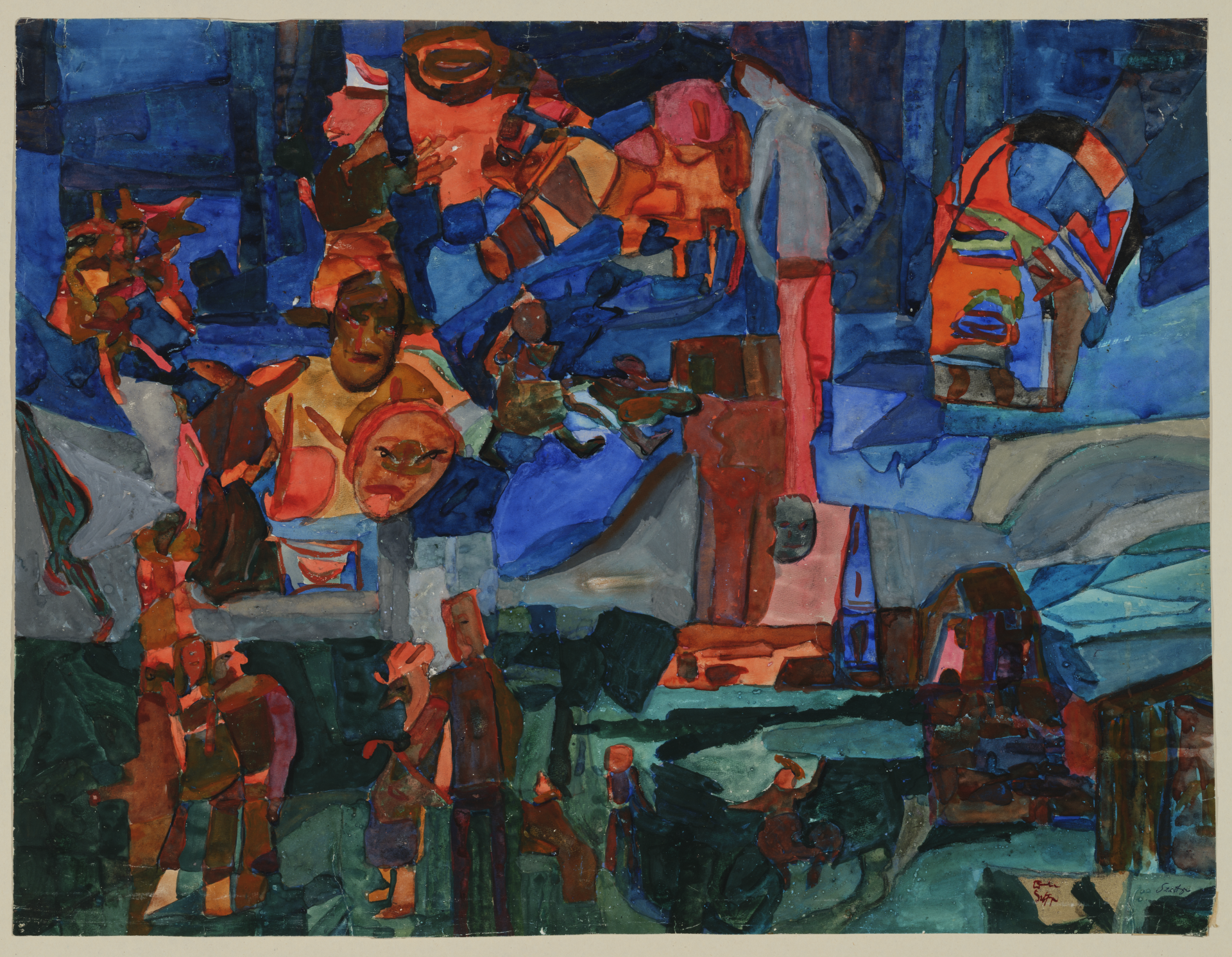
With the exhibition A Scythian Avant-Garde, the Kassák Museum unravels this dense fabric of literary topoi, hearsay, and self- and other-fabricated legends in order to present the politically engaged artist and writer, as well as the historical figure shaped by the upheavals of the twentieth century. To do so, the exhibition reunites two major legacies of Szittya’s life and work: his painted oeuvre, preserved in a French private collection (Fonds Szittya), and his papers — exceptional in their volume, heterogeneity, and temporal scope — held at the Deutsches Literaturarchiv (German Literary Archives). These materials, from his books and paintings to expulsion orders and court rulings, allow us to trace Szittya across geographical, cultural, linguistic, and medial boundaries.
Born Adolf Schenk, the son of a Jewish cobbler’s assistant, Szittya moved from a vagabond writer and anarchist in the 1910s and 1920s to an Expressionist painter in France in the 1930s, where he sought political alliance with the Communist Party in the face of the threat posed by the Third Reich. His creative output, however, did not follow this political and biographical shift. His early poetry testifies to his vagabonding in the 1900s, with fellow anarchists and inspiring artists, visiting artists’ and freethinkers’ colonies, among others the Monte Verità in Switzerland. In the 1910s, journalism became his main source of income in Budapest, Berlin and the Zurich of the dadaists. The 1920s found him in Germany, at times as a cabaret owner and playwright in Leipzig, at others as chronicler of the Berlin night life. From the 1930s onward, he settled in France, where his network gradually expanded beyond the German-speaking diaspora in Paris to include art professionals from across Europe associated with the École de Paris. With his wife and daughter, Szittya survived the German occupation of France and continued to document the interwar Parisian art world.
The exhibition proposes a deeply personal map of a Europe shaped by a turbulent century, tracing intertwined artistic and political networks across it.
CATALOGUE
CREDITS
Curated by Magdolna GUCSA
Assistant Curator: Veronika MARON
Exhibition organization: Merse Pál SZEREDI
Design: Gábor BOGDÁNDY
Translation: Magdolna GUCSA, Merse Pál SZEREDI
Proofreading: Renátó FEHÉR, Renáta SZIKRA
Installation: Belvárosi Építő Kft.
Ferenc BADAK, Gábor BOGDÁNDY, Annamária H. KOCSIS, György MIHALKOV
Conservation: Sándor BALOGH, Sarolta DUNAI, György ORBÁN
Digitalization: Levente BARTHA
Photography: Zsolt BIRTALAN, Csaba GÁL
Communication: Renáta SZIKRA
Insurance: Uniqa Hungary
Lending Collections
Antal-Lusztig Collection, Debrecen
Budapest Poster Gallery, Budapest
Deutsches Literaturarchiv (DLA), Marbach
Ervin Szabó Municipal Library, Budapest
Fonds Szittya, Paris
Galerie Antoine Laurentin, Paris
Dr. Ádám Kovács Collection, Budapest
Hungarian National Museum Public Collection Centre Hungarian National Museum, Budapest
Hungarian National Museum Public Collection Centre Petőfi Literary Museum, Budapest
November Gallery, Budapest
Museum of Fine Arts, Budapest
Museum of Fine Arts – KEMKI Central European Research Institute for Art History, Budapest
Museum of Fine Arts – Hungarian National Gallery, Budapest
Private collections
Reproductions
Archives nationales de France, Fonds de Moscou, Pierrefitte-sur-Seine
Centre Pompidou – Musée national d’art moderne – Centre de création industrielle, Paris © Archive Florence Henri / Martini & Ronchetti
Deutsches Literaturarchiv (DLA), Marbach
ELTE University Library, Budapest
Hungarian National Museum Public Collection Centre National Széchényi Library
Hungarian National Museum Public Collection Centre Petőfi Literary Museum
Musée d’Art et d’Archéologie, Senlis
Museum of Fine Arts – Ferenc Hopp Museum of Asiatic Arts, Budapest
Private collections
Special thanks
Dr. ANTAL Péter, Dr. BALOGH Edina, BÁRDI Sára, Dr. B. SZABÓ Dezső – Liszt Institut Stuttgart, BARKI Gergely, BARKI Márton, Dr. BODNÁR Zsolt, FEHÉR Gábor, FEHÉR Renátó, George DARÁNYI, GALÁCZ Judit, GILA Zsuzsanna, Laurent GOLDRING, SZ. HORVÁTH Ágnes, Thomas KEMME, KISS Borbála, Dr. KOVÁCS Ádám, Antoine LAURENTIN, Helmuth MOJEM, ŐZE Eszter, PANYIK Barbara, ROCKENBAUER Zoltán, RÖDÖNYI Rita, SULYOK Bernadett, SZERDAHELYI Orsolya, TÓTH Károly, Jens TREMMEL, TÓTH Balázs Zoltán, VÁRKONYI Ádám, Georg WIESING-BRANDES
PRESS IMAGES